

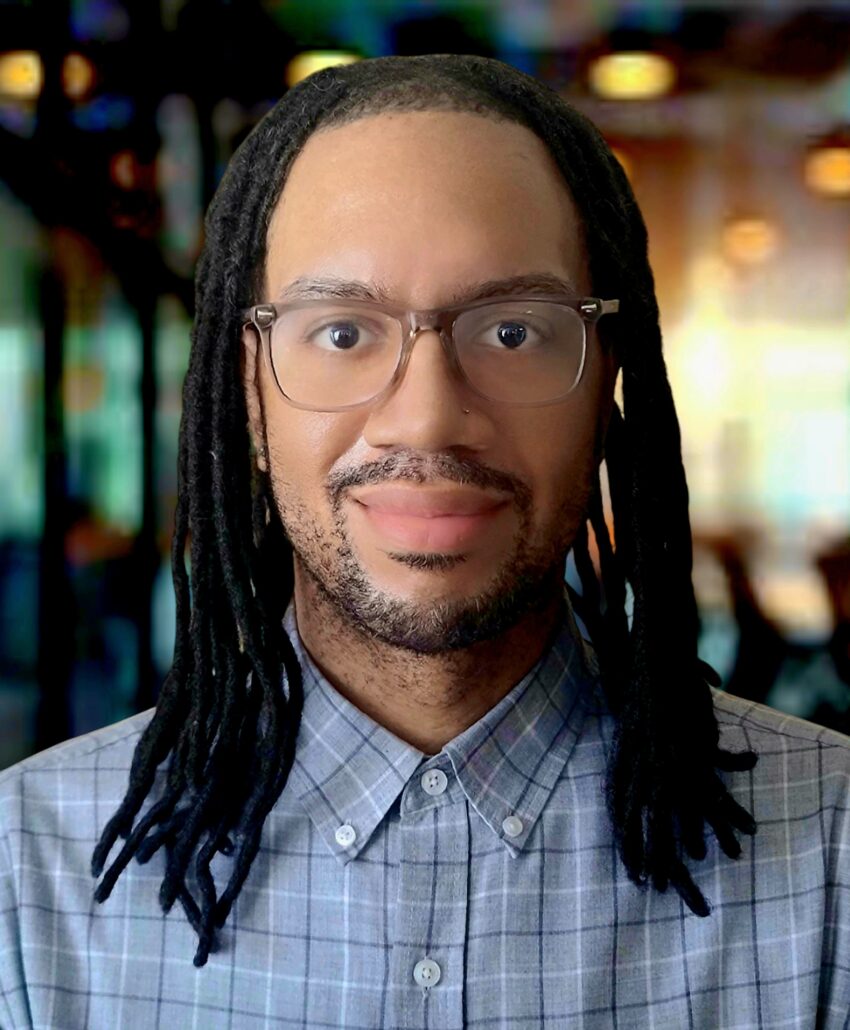
I am Gary Dillon, PhD, a licensed psychologist, Black male therapist, and founder of Ally Psychological Therapy, a psychotherapy practice serving adults in New York City and throughout New York State via telehealth. I provide culturally responsive, trauma-informed, LGBTQIA+-affirming psychotherapy for individuals and couples, with particular experience supporting BIPOC adults, Black professionals, LGBTQIA+ clients, and people navigating anxiety, trauma, relationship concerns, identity development, racial stress, discrimination, burnout, and major life transitions.
I am a Black and LGBTQIA+ psychologist, and those identities meaningfully inform how I understand mental health and the therapeutic relationship. I recognize that psychological well-being does not exist separately from the social, cultural, racial, gender, sexual, familial, professional, and institutional environments in which people live. For clients who have had to code-switch, explain their identity repeatedly, manage racial or cultural expectations, navigate discrimination, or worry about whether a therapist will truly understand their experience, I work to create a space where they do not have to spend therapy defending or explaining who they are.
My approach is collaborative, relational, culturally responsive, and integrative. I do not believe that effective therapy can be reduced to putting people into diagnostic, cultural, or treatment boxes. I draw from multiple evidence-based approaches, including psychodynamic therapy, cognitive behavioral therapy (CBT), dialectical behavior therapy (DBT), motivational interviewing, problem-solving therapy, multicultural therapy, relational approaches, and trauma-focused interventions. I adapt treatment to the individual rather than expecting the individual to adapt to a particular treatment model. My work often involves understanding how earlier experiences, relationships, environments, and coping strategies continue to influence present-day thoughts, emotions, behaviors, and relationships, while also identifying practical ways to create meaningful change.
Education and Clinical Training
I earned my Bachelor of Science in Applied Psychology from New York University, followed by a Master of Arts in Counseling for Mental Health and Wellness from NYU’s Steinhardt School of Education. I subsequently earned my PhD in Counseling Psychology from Fordham University’s Graduate School of Education in New York City. My doctoral dissertation examined Black male college students’ resilient coping responses to non-stranger racial microaggressions, reflecting my longstanding interest in the intersection of race, identity, resilience, and mental health.
My clinical training has included a range of hospital, psychiatric, community, correctional, addiction-treatment, and university counseling settings throughout New York City. During my predoctoral internship at Mount Sinai Beth Israel Medical Center, I provided psychotherapy and psychological assessment in both inpatient and outpatient psychiatry settings with children, adolescents, and adults. I also provided services to adults living with HIV and/or hepatitis C through the Peter Krueger Clinic. My training included individual, group, family, and play therapy as well as cognitive, behavioral, projective, and neuropsychological assessment.
Earlier clinical training included Queens Hospital Center, where I provided individual psychotherapy, group therapy, intake evaluations, psychological assessment, and treatment planning within adult and child/adolescent outpatient psychiatry. I also trained at the Addiction Institute of New York at St. Luke’s-Roosevelt Hospital, providing cognitive behavioral therapy and group treatment to individuals with substance-use histories and co-occurring mental health concerns. My earlier work also included John Jay College, where I provided psychotherapy, academic and vocational counseling, outreach, and psychoeducational programming to college students, veterans, police officers, firefighters, and EMTs.
My clinical experience has also included work with individuals involved in the NYC correctional system. At Rikers Island through the NYC Department of Health and Mental Hygiene, I provided individual and group psychotherapy, including DBT skills groups and psychodynamically oriented treatment addressing anger management, impulse control, interpersonal dynamics, and substance use.
Experience With BIPOC and Culturally Diverse Communities
Cultural responsiveness and social justice have been central to my professional training and clinical work for many years. My areas of professional expertise include diversity, equity, and inclusion; social justice and advocacy; implicit bias and microaggressions; and multicultural psychotherapy training and supervision.
Since 2019, I have served at Baruch College, CUNY as a Supervising Psychologist and Manager of Cross-Cultural Training and Initiatives. In that role, I provide individual psychotherapy, crisis intervention, clinical supervision, outreach, workshops, and clinical training while working with a diverse undergraduate and graduate student population. I also provide and supervise group psychotherapy, including multicultural counseling and Black mental health programming, and collaborate with multidisciplinary teams to support students experiencing significant mental health concerns.
My work with BIPOC communities is informed not only by clinical experience but also by research examining racial microaggressions, racial identity, resilience, and the experiences of people of color navigating educational and community environments. My doctoral research focused specifically on Black male college students’ resilient coping responses to racial microaggressions. I have also conducted research with young adult community leaders of color examining experiences of subtle racial bias and discrimination and the resources and coping responses they used in response to those experiences.
These experiences inform the way I work with clients who may be dealing with racial stress, workplace discrimination, microaggressions, code-switching, hypervisibility, identity conflict, or the emotional impact of being expected to navigate environments that were not designed with their identities in mind.
LGBTQIA+ Affirming Care
LGBTQIA+ affirming care is an important part of my clinical background and professional service. My goal is not simply to provide a therapy space that is technically welcoming to LGBTQIA+ clients. I work from an understanding that sexual orientation, gender identity, gender expression, race, culture, family expectations, relationships, and other aspects of identity can intersect in ways that meaningfully affect mental health and well-being.
My professional training includes Safe Zone training through John Jay College and Campus Pride, gender-affirmation surgery assessment training through the Peter Krueger Clinic, and training and education related to gender, sexuality, LGBTQIA+ communities, and affirmative clinical practice. In 2020, I provided didactic training on cultural competence and affirmative therapy with LGBTQIA+ communities at Baruch College. I have also facilitated Safe Zone training and presented on the intersection of LGBTQIA+ and BIPOC identities and mental health.
My professional service has included substantial involvement with LGBTQIA+ initiatives within the City University of New York. I have served as a Baruch College representative to the CUNY LGBTQI+ Council and as a member of the Council since 2019. I also serve on the Council’s Mental Health, Wellness & Security subcommittee. CUNY describes the LGBTQI+ Council as a university-wide body focused on supporting intersectional LGBTQI+ communities, increasing visibility and inclusion, addressing gaps, and advancing equity through a social justice lens.
At Baruch College, I have also served as a representative and grant manager for the CUNY LGBTQIA+ Consortium and participated in LGBTQIA+ programming and committees, including the Baruch College LGBT+ History Month Committee. My CV documents multiple awarded grants supporting the CUNY LGBTQIA+ Consortium at Baruch, including $30,000 and $40,000 annual awards supporting LGBTQIA+ initiatives.
My LGBTQIA+ clinical and educational work has included presentations on LGBTQIA+ mental health, intersectionality, cultural competence, affirmative therapy, and supporting LGBTQI+ student mental health. I have also participated in research and professional presentations addressing the experiences of marginalized populations, including LGBTQIA+ communities.
For LGBTQIA+ clients, including gay, lesbian, bisexual, queer, transgender, nonbinary, and other gender- and sexuality-diverse adults, therapy can provide space to explore identity, relationships, family dynamics, coming out, gender affirmation, discrimination, internalized stigma, belonging, community, and the tension that can arise when different parts of identity intersect. I also recognize that LGBTQIA+ clients are not a monolithic group. Affirming care means being curious about the individual in front of me rather than making assumptions based on an identity label.
Trauma-Informed and Anxiety-Focused Work
I am a Certified Clinical Trauma Professional (CCTP) and have completed additional training related to trauma, loss, addiction, interpersonal neurobiology, family systems, attachment, and trauma treatment. My specialized training also includes brief relational therapy, multicultural family therapy, child trauma therapy, CBT, DBT, psychodynamic psychotherapy, motivational interviewing, and problem-solving therapy.
My trauma-informed work recognizes that trauma can affect much more than an individual’s immediate emotional response to a difficult event. Trauma can influence relationships, self-concept, emotional regulation, trust, boundaries, behavior, attention, physical and emotional safety, and the ways people learn to protect themselves. Therapy can involve developing greater awareness of these patterns while building new ways of responding that feel safer, more flexible, and more consistent with the life a person wants.
I also work with adults whose anxiety may be difficult for other people to see. Some clients appear highly successful, responsible, productive, or composed while privately experiencing chronic worry, perfectionism, overthinking, emotional exhaustion, difficulty resting, self-doubt, or a persistent feeling that they are falling behind. Therapy can help identify what is underneath that productivity and develop healthier ways of responding to pressure without requiring clients to give up their ambition or the parts of themselves they value.
Professional Experience, Teaching, and Supervision
In addition to providing psychotherapy, I have extensive experience teaching, supervising, training, and developing mental health and diversity-related programming. At Baruch College, I supervise clinicians and trainees providing psychotherapy and provide clinical training seminars, workshops, outreach programs, and psychoeducational presentations.
I have also taught and supported graduate-level psychology education through Fordham University’s Counseling Psychology Department. My professional experience includes developing curriculum related to the business of professional psychology and private practice as well as supporting doctoral students in research training.
My professional presentations have addressed topics including Black mental health, Black masculinity and mental health, racial microaggressions, LGBTQIA+ affirmative therapy, cultural competence, intersectionality, stress management, coping, workplace code-switching, imposter phenomenon, relationships, boundaries, and mental health in communities of color.
Research and Publications
Research has been an important part of my professional development and continues to inform my clinical perspective. My research experience has included work on racial microaggressions and coping among people of color, career development among marginalized youth, resiliency and quality of life among children and families affected by serious medical conditions, and the experiences of undocumented college students.
My doctoral dissertation examined resilient coping responses among Black male college students who experienced non-stranger racial microaggressions. I have also contributed to research examining the cultural validity of career assessment measures with urban youth and participated in research exploring how young leaders of color experience and respond to subtle racial bias and discrimination.
My publications include work on strength-based career development interventions for marginalized youth, workforce reintegration, multicultural assessment, and group counseling with undocumented college students.
This research background matters to my clinical work because I am interested in the relationship between individual psychological experiences and the broader environments in which people live. I believe therapy can make room for both: the internal work of understanding thoughts, emotions, relationships, and patterns, and the external realities of racism, discrimination, cultural expectations, institutional barriers, and social inequality.
Continuing Education and Specialized Training
I remain committed to ongoing professional education. My recent continuing education and specialized training includes telehealth ethical considerations; compulsive and addictive sexual behavior; interpersonal neurobiology, family systems, and attachment; trauma and addiction; trauma and loss among college students; Safe Space Training through Campus Pride; leadership for equity, diversity, and inclusion in higher education; gender and sexuality diversity and inclusion in the workplace; Undoing Racism through the People’s Institute for Survival and Beyond; and Certified Clinical Trauma Professional training through PESI.
My earlier clinical training also included CBT, DBT, psychodynamic psychotherapy, brief relational therapy, multicultural family therapy, motivational interviewing, problem-solving therapy, child trauma therapy, psychological testing, neuropsychological assessment, and gender-affirmation surgery assessment.
Professional Memberships and Service
I have been a member of the American Psychological Association since 2011, including involvement with Division 17, the Society of Counseling Psychology; Division 44, the Society for the Psychological Study of Lesbian, Gay, Bisexual, and Transgender Issues; and Division 45, the Society for the Psychological Study of Ethnic Minority Issues.
My professional service has also included the Baruch College Presidential Advisory Council on Diversity and Inclusion, CUNY DEI Incubator, CUNY LGBTQIA+ Consortium, CUNY LGBTQI+ Council, Baruch’s Black History Month Committee, Baruch’s Black Mental Health Matters initiative, and other institutional committees focused on diversity, inclusion, student well-being, and social justice.
In 2022, I received the Baruch College Diversity Leadership Award in recognition of this work.
My Perspective on Therapy
Ultimately, I believe therapy works best when clients feel both understood and challenged. Feeling understood matters, especially when someone has spent years feeling misunderstood, stereotyped, overlooked, or required to explain themselves. But therapy should also create room for honest reflection, new choices, and meaningful change.
I do not see clients as problems that need to be fixed. I see people as individuals who have developed ways of coping for reasons that usually make sense when we understand their history and circumstances. Some of those strategies may have helped them survive, succeed, belong, or protect themselves. The question is whether those same strategies are still serving them.
Therapy with me is a collaborative process of understanding those patterns, making sense of the experiences that shaped them, and deciding what you want to carry forward and what you are ready to change. My goal is to provide a space where you can be fully yourself while also doing the difficult, sometimes uncomfortable work of becoming more intentional about the life you want.
I founded Ally Psychological Therapy because I believe people deserve mental health care that reflects the complexity of their lives. For BIPOC and LGBTQIA+ clients in particular, that means therapy where race, culture, gender, sexuality, relationships, work, family, and identity do not have to be treated as irrelevant background information. They are often part of the story.
My practice provides online therapy for adults throughout New York State, including New York City, and I welcome individuals and couples seeking culturally responsive, LGBTQIA+-affirming, trauma-informed care.
Keep Searching
Search here for providers near you by entering any keyword, physical location, and/or specialty.
Search here for providers who deliver care in your state, including those who practice telehealth.
By using the OutList, you agree to the Terms of Use.