

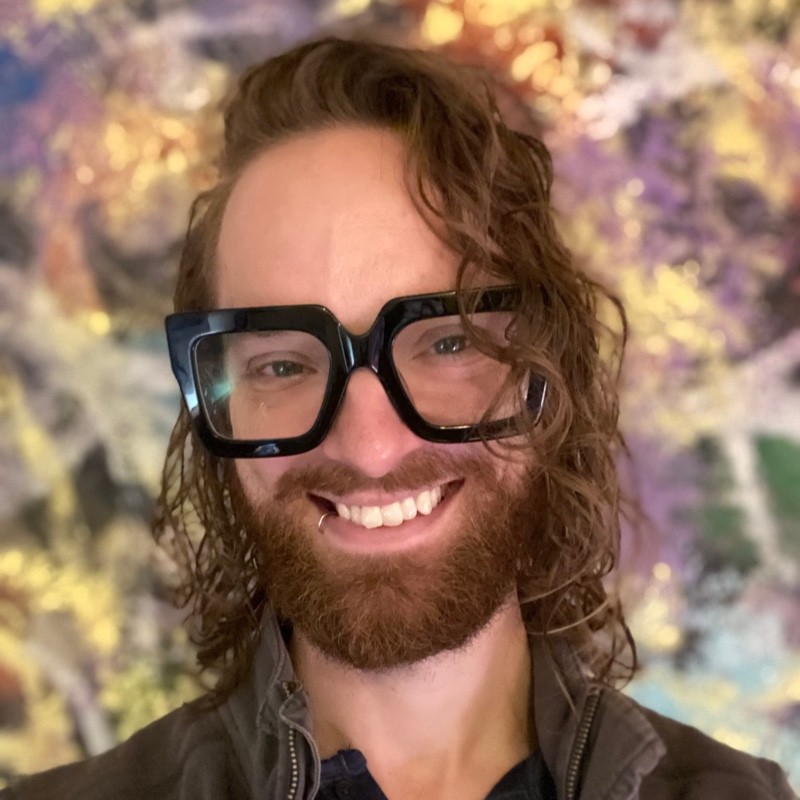
Z. Hamilton Avery, LCSW, BC-TMH, CMT, CYT-1,000, TIYT (he/they) is a psychotherapist, clinical social worker, coach, educator, speaker, health educator, bodyworker, and integrative wellness practitioner with more than 15 years of interdisciplinary experience across mental health, healthcare, crisis services, education, and wellness. Through Therapy with Z, LLC, Z provides affirming online psychotherapy to adolescents (13+) and adults in Oklahoma, Florida, South Carolina, and Idaho. Z also provides non-clinical coaching to teens and adults nationwide. Their broader work includes speaking, education, professional training, yoga, meditation, bodywork, and integrative wellness.
Since 2010, Z has supported thousands of people across outpatient psychotherapy, integrated primary care, community mental health, hospice and end-of-life care, mobile crisis services, 911 emergency communications and first response, school-based services, health education, and home- and community-based settings. Their interdisciplinary education spans pre-nursing, psychology, and social work, complemented by extensive professional training in behavioral health, trauma and crisis care, bodywork, contemplative practices, and integrative health. Z has worked with adolescents, adults, and older adults and with diverse and historically underserved communities across clinical, medical, crisis, educational, nonprofit, and community settings. This breadth contributes to a whole-person perspective and an understanding that people rarely fit neatly into a single diagnosis, theory, identity, or way of understanding mental health.
Z’s therapeutic approach is humanistic, person-centered, strengths-based, trauma-informed, harm-reduction oriented, inclusive, affirming, and grounded in respect for individual autonomy. Therapy is individualized around each person’s needs, experiences, strengths, values, preferences, and goals. Their clinical training draws from cognitive, behavioral, compassion-focused, somatic, expressive, and mindfulness-based traditions and includes CBT, DBT, ACT, motivational interviewing, compassion-focused therapy, EMDR, trauma-focused interventions, and mind-body approaches. There is no expectation that every approach will fit every person. Z and their clients pay attention to what is helping, build on what works, and adjust when something does not fit.
In sessions, Z is warm, curious, collaborative, and practical. They believe clients should feel genuinely heard and understood rather than treated as a collection of symptoms. Therapy may involve exploring patterns, processing difficult experiences, developing practical skills, strengthening emotional regulation, cultivating self-compassion, increasing psychological flexibility, or reconnecting with values, relationships, and parts of life that matter. Clients are encouraged to bring questions, feedback, preferences, and their own ideas into the process. Therapy is something Z does with people, not to them.
Z approaches 2SLGBTQIA+ mental health as part of whole-person health. Emotional well-being can intersect with physical health, relationships, identity, family, community, culture, safety, healthcare experiences, environment, stress, and access to supportive resources. For 2SLGBTQIA+ people, therapy may involve minority stress, discrimination, rejection, stigma, concealment, belonging, family or community relationships, and navigating healthcare or other institutions. Z creates room for those experiences without treating sexual orientation, gender, relationships, or other aspects of identity as problems to be explained or corrected.
At the same time, identity does not have to become the focus of therapy simply because someone is 2SLGBTQIA+. Sometimes it is central to the work. Sometimes it is not. Therapy can follow what actually matters to the person. Z believes affirming care requires more than simply accepting someone’s identity. It requires curiosity about the whole person, respect for autonomy, cultural humility, and a therapeutic relationship where people can speak openly without pressure to conform. Clients should not have to spend therapy defending who they are before they can address what actually brought them there.
Affirming care also means recognizing that there is no single way to be queer, trans, nonbinary, gay, lesbian, bisexual, pansexual, asexual, aromantic, intersex, Two-Spirit, or otherwise part of the 2SLGBTQIA+ community. People differ in their relationships to identity, community, disclosure, family, spirituality, gender, gender expression, sexuality, relationship structures, and the language they use for themselves. Z’s work is grounded in compassion, harm reduction, inclusivity, self-determination, and respect for the many ways people build meaningful lives, relationships, families, communities, and identities.
Z views therapy as more than symptom reduction. It can support greater self-understanding, resilience, psychological flexibility, self-compassion, connection, meaning, agency, and the freedom to build a life that reflects who someone is and what matters to them. The goal is not to make people fit a predetermined version of wellness, but to help clients develop insights, skills, resources, and practices they can continue using long after therapy ends.
Z also brings an extensive background in bodywork, energy work, yoga, meditation, and complementary and alternative medicine. They are a Certified Massage Therapist, Certified Reiki Master trained across multiple lineages, and a Certified Yoga Teacher with more than 1,000 hours of accredited training (mostly completed in India). Their broader training includes massage therapy, Thai yoga massage, myofascial release, craniosacral therapy, Reiki and energy work, Chinese and Japanese acupuncture, mindfulness, meditation, and various styles of yoga, including Hatha, Kundalini, yin, restorative, and trauma-informed yoga.
Beyond psychotherapy, Z works as a coach, educator, speaker, writer, and curriculum developer. They speak and teach on stress, anxiety, depression, trauma, suicide prevention, chronic illness and pain, coping skills, mindfulness, self-compassion, holistic well-being, complementary and alternative medicine, and 2SLGBTQIA+ affirming care. Their educational work draws from evidence-based and research-informed approaches while also engaging traditional, complementary, experiential, and mind-body practices. Programs may integrate education, relevant research, discussion, reflection, experiential practice, mindfulness, movement, practical skill development, and original handouts, worksheets, workbooks, guides, manuals, and other resources to support continued learning and practice.
Z’s educational portfolio ranges from accessible public programs requiring no previous experience to advanced professional education and structured practitioner training. Select clinician trainings are designed for graduate-level mental health and healthcare professionals seeking advanced education and practical skills for clinical work. Select integrative wellness trainings provide progressive practitioner certification pathways. Programs can be adapted for individuals, helping professionals, healthcare and behavioral health teams, workplaces, organizations, and communities. They may be offered as presentations, classes, groups, workshops, trainings, retreats, and other educational experiences.
Keep Searching
Search here for providers near you by entering any keyword, physical location, and/or specialty.
Search here for providers who deliver care in your state, including those who practice telehealth.
By using the OutList, you agree to the Terms of Use.