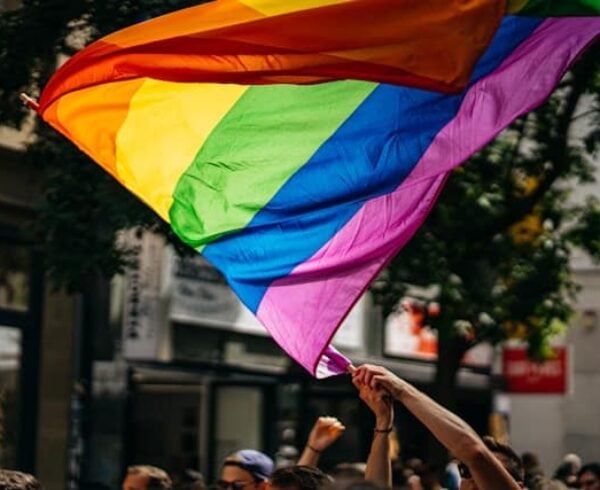
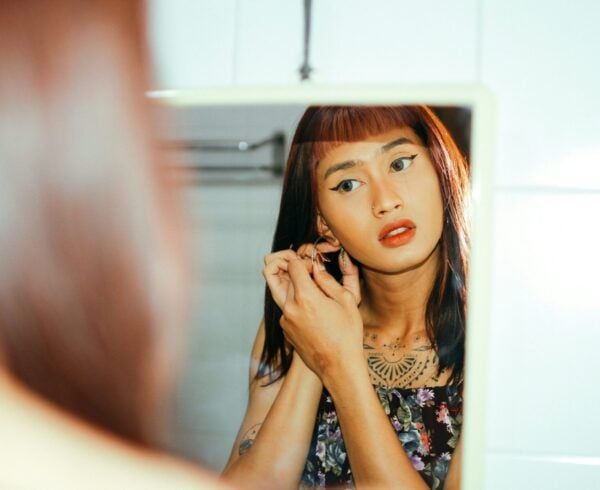
If you have ever found yourself thinking about your weight or how you look, wondering if your body measures up, you are definitely not alone. With the rise of dieting trends, certain trendy “looks”, and all the hype around weight-loss drugs like Ozempic, it can feel like your appearance is always on your mind. Everywhere you look, there are messages telling you to change something about yourself. Maybe it is the push to get fit, drop a few pounds, or present a certain way that fits someone else’s idea of what a body “should” look like.
Body Dysmorphia and Objectification
Body dysmorphic disorder (BDD) is one of the more serious outcomes of this pressure. BDD is a mental health condition described by an obsessive focus on perceived physical flaws. These intrusive thoughts can lead to compulsive behaviors like frequently checking the mirror or avoiding social situations in fear of being judged for the way you look. While BDD can affect anyone, research shows it is especially prevalent among people in the LGBTQ+ community. Queer people often face heightened levels of dissatisfaction about their bodies and self-criticism, and are more likely to view themselves as overweight.
Objectification theory helps explain why you may focus more on how your body looks to others than on how it feels to live in it. This theory suggests that many people, especially those in marginalized groups, end up focusing more on how others perceive their appearance as a means to fit in. These types of behaviors can lead to self-objectification and shame about how one looks. Social media, cultural beauty standards, and unsupportive family members or partners often influence how people view their bodies. These forces can fuel body shame, reinforce binary gender expectations, and make it even harder to feel at home in your own skin.
Body Dysmorphia in LGBTQ+ Communities
These pressures do not affect everyone in the same way. Different communities face unique stressors and expectations that shape how they experience and respond to these ideals.
For gay men, the pressure to conform to unrealistic body standards is especially intense. Cultural norms often emphasize both muscularity and leanness, creating an ideal that is difficult to achieve. Many gay men struggle with muscle dysmorphia, a form of body dysmorphic disorder marked by an obsessive belief that their body is too small or not muscular enough, even when this perception isn’t accurate. Research also shows that gay men are more likely to tie their self-worth to their appearance. Fears of feminization can further complicate body image, reinforcing rigid and often harmful standards of masculinity within the community.
For lesbian women, the picture looks different. They are often excluded from or choose to reject mainstream beauty narratives that tend to center cisgender identity and heterosexual femininity. In some ways, not being part of these narrow ideals can be a protective factor, with some research suggesting that lesbian women may feel less pressure to conform, potentially easing negative body image. However, this lack of visibility can also be alienating, especially when compounded by real-world stressors like discrimination and violence. While studies show lesbian women report less body dissatisfaction compared to their heterosexual peers, they also face higher rates of discrimination and mental health struggles, which can contribute to unhealthy behaviors surrounding weight and eating.
For transgender and nonbinary individuals, struggles with body image can be especially complex. Body dysmorphia and gender dysphoria are different concepts. Gender dysphoria refers to the emotional distress that comes from a mismatch between someone’s assigned gender at birth and their true gender identity. This dissatisfaction may lead some individuals to engage in dietary restriction or other body-altering behaviors in an effort to align their appearance with their gender identity. This is different from body dysmorphia where someone becomes fixated on a perceived flaw in their appearance. Many gender-diverse people feel torn between wanting to affirm their gender identity but also battling broader anxieties around body shape and size. Body image concerns in the gender-diverse community are further complicated by the way society often reads physical bodies as the sole indicator of gender.
For queer individuals of color, body image challenges are often intensified by racism, colorism, and culturally specific beauty norms. The intersection of multiple marginalized identities can increase vulnerability to BDD, especially when a person’s body is subjected to both racialized and gendered judgments. It is important to continue this conversation through research and advocacy that consider other subgroups within the LGBTQ+ community whose unique experiences reflect the fluidity of their identities.
Barriers to Treatment
For many LGBTQ+ individuals, accessing mental health care is far from simple. Even when help is available, it often lacks the cultural competency needed to truly serve those with marginalized identities. In the case of BDD, this gap can be especially harmful. Without queer-affirming providers who understand the complexities of gender, identity, and body image, BDD symptoms may go unnoticed or be misdiagnosed.
Stigma can also exacerbate struggles with body image and mental health. Both self-stigma and stigma from others can lead people to hide their experiences or avoid seeking help altogether out of fear of judgment. In both mainstream culture and LGBTQ+ communities, vulnerability is sometimes seen as a weakness. Cultural norms that value strength and self-reliance can discourage people from speaking openly about mental health. For someone dealing withBDD, where shame and avoidance are already common, these messages can be significant barriers to getting the support they need.
Options for Getting Better
Fortunately, there are evidence-based treatments that can make a difference. Cognitive behavioral therapy (CBT) can help individuals identify the negative thoughts that fuel distorted body image, and replace them with more realistic perspectives. Therapy also focuses on reducing unhelpful behaviors like mirror checking or social withdrawal. But for LGBTQ+ individuals, the effectiveness of treatment often also depends on how well the therapist understands and affirms their lived experience. Addressing these challenges requires open communication to build trust and rapport, which can help break down many of the barriers that keep people from seeking support.
Affirming care does not stop at the therapist’s office. Recovery requires commitment and support across many aspects of daily life. That means sticking to treatment plans and utilizing learned coping skills. It also means building awareness and learning what triggers symptoms and recognizing early warning signs. Understanding more about BDD can be empowering in itself, giving people a sense of control.
Recovery does not have to be something you go through alone. You can lean on the people around you to help create a safe and affirming support system that keeps you grounded. Peer support groups offer connection and validation, helping to reduce the isolation of so many people with BDD experience. For LGBTQ+ individuals, these spaces are even more crucial to the healing process.
Within healthcare more broadly, especially in fields like nutrition and dietetics, there’s a growing call to better understand LGBTQ+ bodies. The language providers and advertisements use matters. Avoiding appearance-focused compliments, rejecting toxic beauty narratives, and instead focusing on non-appearance-based strengths helps create environments where individuals feel seen.
Body image struggles in the queer community are real and incredibly complex. Not all forms of body dissatisfaction are BDD. Many people are simply trying to feel at home within their own bodies. Regardless, these experiences can feel isolating. But they do not have to be. With the right support and affirming care, both from ourselves and the people around us, healing is possible. You deserve to feel safe in your body and to be seen for who you are.